 Skin Care
How to Take Care of Your Skin
Take our skin type survey to discover the optimal routine for healthy skin. Discover what works for acne, scars, and more.
Namaste Derma Editorial8 min read
The Dermatology Media Publication
Skin Care, health and routine.
Skin CareTake our skin type survey to discover the optimal routine for healthy skin. Discover what works for acne, scars, and more.
Namaste Derma Editorial8 min read
 Skin Care
Discover dermatologist-recommended skincare tips to support healthier-looking skin, improve your daily routine and enhance your natural glow.
Namaste Derma Editorial3 min read
 Skin Care
Niacinamide (also known as nicotinamide) is a form of vitamin B3. While further research is needed, niacinamide may help reduce inflammation and improve skin suppleness.
Namaste Derma Editorial4 min read
 Skin Care
Four products, two steps a day, and a rule for adding anything else. The shortest routine that does the job is usually the one you will still be doing in six months.
Namaste Derma Editorial2 min read
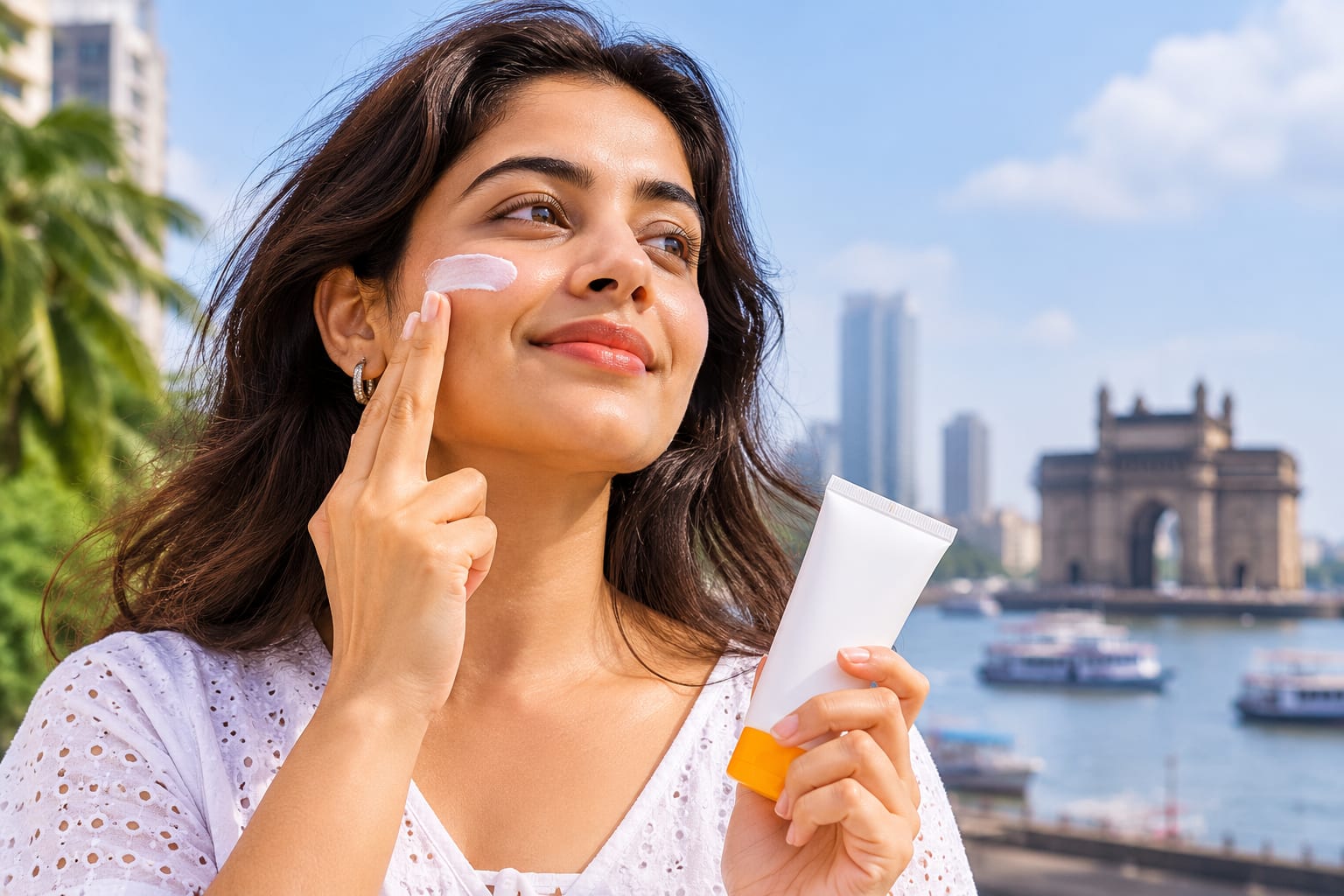 Skin Care
The SPF on the bottle is measured at 2 mg per square centimetre. Almost nobody applies that much — and in humid heat, the reasons people under-apply get worse.
Namaste Derma Editorial3 min read
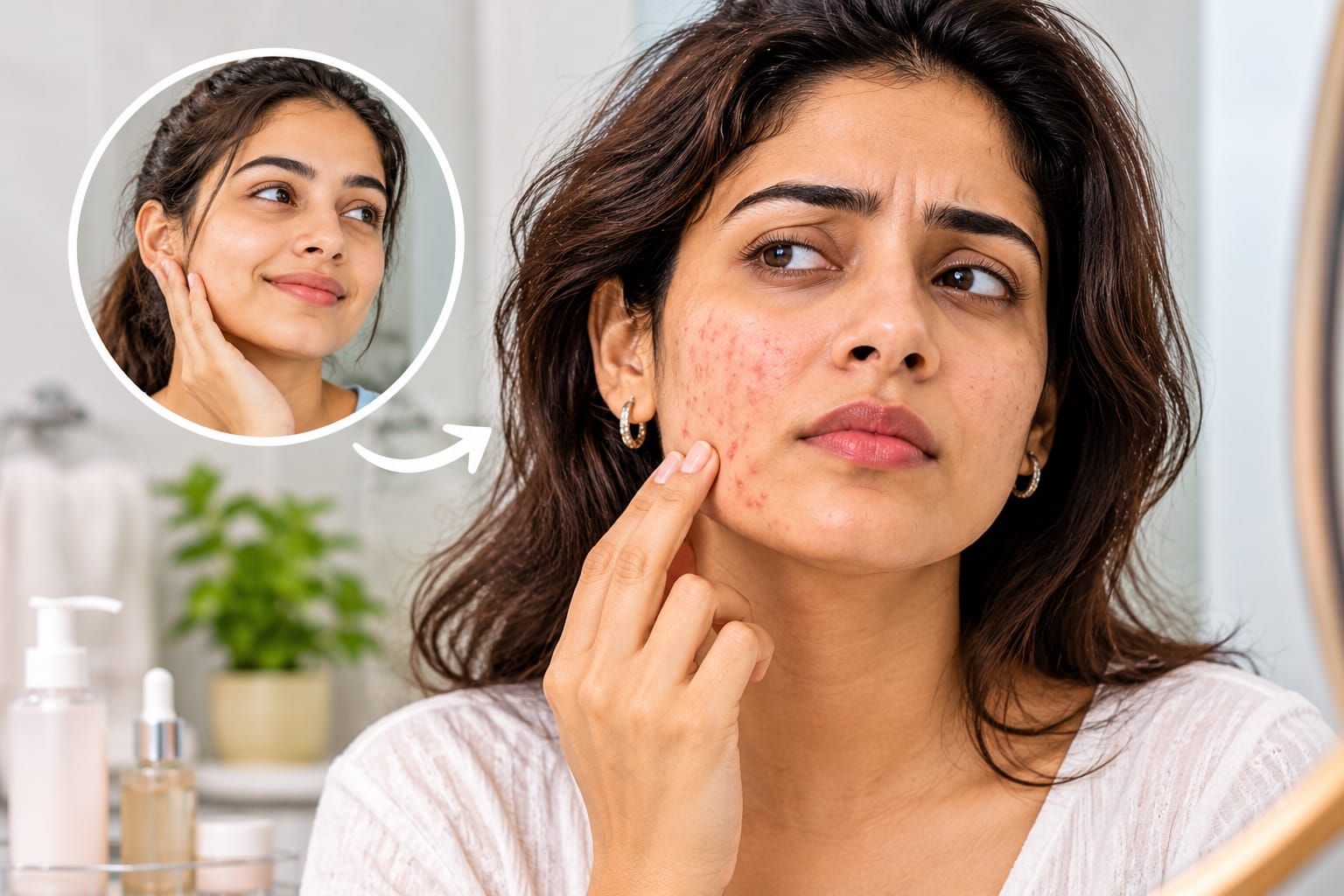 Skin Care
Adult acne sits lower on the face, is more inflammatory, and responds badly to the drying regimen that worked at fifteen.
Namaste Derma Editorial3 min read
 Skin Care
The order tells you concentration. The first five tell you most of the formula. Almost everything on the front of the bottle tells you nothing.
Namaste Derma Editorial3 min read
Common questions and evidence-based guidance regarding skin care.
The best care for your skin relies on a simple, consistent foundation: gentle cleansing, daily moisturization, and broad-spectrum sun protection.
Core Daily Routine
Morning:
Cleanse: Use a mild, pH-balanced, non-abrasive cleanser or just lukewarm water.
Protect (Antioxidants): Apply an optional antioxidant serum like Vitamin C to help fight free radicals and brighten the skin.
Moisturize: Apply a lightweight moisturizer suited to your skin type.
Sunscreen: Finish with a broad-spectrum sunscreen of SPF 30 or higher every day—even when it is cloudy
Night:
Cleanse: Wash away dirt, oil, makeup, and sunscreen. Use a double cleanse if you wear heavy makeup or water-resistant sunscreen.
Treat: Apply targeted active ingredients like retinoids (for fine lines and cell turnover) or exfoliating acids (AHA/BHA) a few times a week if needed.
Hydrate: Use a richer barrier moisturizer containing ingredients like glycerin or ceramides
Key Habits for Healthy Skin
Skip harsh soaps: Strong soaps and hot water strip natural oils, leading to dryness and irritation.
Pat dry: Gently blot your skin with a towel after washing so some moisture stays behind.
Eat well and stay hydrated: Support your skin from the inside out with a balanced diet rich in fruits, vegetables, healthy fats, and plenty of water while limiting processed foods and added sugars.
Do not smoke: Smoking breaks down collagen and elastin, causing premature wrinkles and dullness.
Many beverages provide antioxidants, vitamins, and electrolytes to promote skin health, hydration, and natural shine.
The Best Drinks for Radiant Skin
Green tea: Rich in catechins and polyphenols, green tea lowers inflammation, scavenges free radicals, and shields skin from UV rays.
Water and Lemon Water: Drinking enough water keeps skin cells supple, and adding lemon gives you vitamin C, which promotes the formation of collagen and brightens your complexion.
Coconut Water: Packed with potassium, electrolytes, vitamin C, and B vitamins, it provides intense hydration and helps shield the skin from sun damage.
Beet & Carrot Juice (ABC Juice): Beets enhance blood circulation, giving the complexion a natural flush, while carrots provide beta-carotene for cell turnover. There are differing views on Reddit's Indian Beauty Yappers. While some members praise ABC juice for its beautiful glow, others point out that entire fruits retain more fiber.
Vitamins and enzymes found in aloe vera juice moisturize the skin, reduce redness, and promote the creation of collagen.
Curcumin and strong antioxidants found in turmeric and ginger water help to brighten a dull complexion and relieve inflammation.
Cleaning, moisturizing, and sun protection are the three main components of a basic skin care regimen that keep your skin moisturized, clean, and protected.
Dermatologists advise against using too many products on your skin and instead advise keeping daily maintenance basic.
Morning Routine (Hydrate & Protect)
The morning's objectives are to get rid of oils from the previous nite and protect your skin from UV radiation and environmental harm.
Cleanse: Use a mild, fragrance-free, non-drying face cleanser. You can simply rinse with lukewarm water if your skin is too dry.
Moisturize: To hydrate the skin barrier, use a mild facial moisturizer.
Apply a broad-spectrum sunscreen with an SPF of 30 or higher to finish. Even on overcast days, use it.
Evening Routine (Repair & Cleaning)
At nite, the objective is to let your skin heal while removing sunscreen, makeup, and everyday pollution.
Remove Makeup & Clean: Give your face a thorough wash using a mild cleanser, micellar water, or cleaning balm.
Treat (Optional): You can use a targeted serum or treatment (like retinol or an ingredient that fights acne) if you have certain issues like fine lines or acne.
Moisturize: To keep yourself hydrated as you sleep, apply a nutritious nite moisturizer or cream.
Advice for Novices
Start slowly: To see how your skin responds, introduce new products one at a time.
Less is more: Unless you wish to add them later, toners, scrubs, and multi-step Korean beauty procedures are not necessary.
Determine your skin type. If you have oily skin, go for oil-free or gel-based products; if you have dry skin, go for heavier cream-based products.
Consuming a colorful, whole-food diet high in healthy fats, antioxidants, and vitamins promotes skin hydration, suppleness, and a natural glow.
Top Foods for Glowing Skin.
Avocados: Rich in healthy monounsaturated fats and vitamins E and C, avocados retain moisture, increase suppleness, and protect against environmental damage.
Fatty fish (salmon, mackerel, sardines) provide omega-3 fatty acids, which help to reduce inflammation, maintain moisture, and keep the skin barrier robust and supple.
Carrots and Sweet Potatoes: High in beta-carotene (a precursor to vitamin A), these orange veggies encourage cell renewal and protect against sun damage.
Berries (blueberries, strawberries, and blackberries) are high in vitamin C and anthocyanins, which help combat free radicals, promote collagen formation, and reduce redness.
Tomatoes are high in lycopene, an antioxidant that protects skin from UV rays and premature aging (absorption increases when combined with a healthy fat like olive oil).
Nuts and seeds (almonds, walnuts, chia seeds, flaxseeds): Contain vitamin E, zinc, and plant-based omega-3 fatty acids, which heal tissue and promote a smooth texture.
Leafy greens (spinach, kale): High in vitamins A, C, and K, as well as iron and carotenoids, which promote circulation and healing.
Green tea contains catechins, which help enhance skin suppleness and reduce inflammation.
Foods and Habits To Limit
Refined sugars and carbohydrates: White bread, pastries, and sugary drinks raise insulin levels, which can lead to inflammation and increased oil production.
Excessive salt causes water retention and face puffiness.
Dehydration: Not drinking enough water causes skin to seem dull and dry; try for consistent hydration throughout the day, coupled with antioxidant-rich meals.
Unhealthy skin signs may indicate localized skin disorders or underlying systemic health conditions.
Common Localized Skin Symptoms:
• Acne: Oil, dead skin, and germs clog pores, causing pimples, pustules, or deep painful cysts. • Eczema (Atopic Dermatitis): Skin that is dry, itchy, red, or cracked, and is commonly present on the elbows or knees. • Psoriasis: Thick, red, inflammatory areas coated in silvery-white scales that may be hot or unpleasant. • Rosacea causes persistent facial redness, flushing, visible blood vessels, and tiny pimples. • Hives (Urticaria): Raised, red, itchy welts that can change or disappear within 24 hours.
Warning Signs of Skin Cancer (ABCDE Rule)
• Asymmetry: One half of the spot is not identical to the other. • Border: The edges are uneven, ragged, or blurry. • Color: Different shades of tan, brown, black, white, red, or blue. • Diameter: More than 6 millimeters (about the size of a pencil eraser). • Evolving: Over time, the mole or spot changes in size, shape, and color.
Skin Symptoms Point to Systemic Health Issues
Your skin can reflect internal medical issues.
• Acanthosis Nigricans: Dark, velvety, thickened patches (often on the neck or armpits) associated with insulin resistance, diabetes, or PCOS. • Yellow Skin or Eyes (Jaundice): An accumulation of bilirubin that indicates liver or bile duct issues. • Butterfly Rash: A red rash over the cheekbones and bridge of the nose, commonly associated with lupus. • Xanthelasmas: Small yellowish cholesterol pimples on the eyelids that indicate elevated cholesterol or heart disease risk. • Unexplained Itching Without a Rash: Persistent generalized itching that may indicate renal or liver illness.
Certain vitamins and nutritional supplements can help to alleviate dry and itchy skin by strengthening the skin barrier and lowering inflammation.
Key Vitamins and Supplements
Vitamin D: Low vitamin D levels have been associated to dry, flaky, and itchy skin diseases such as eczema. Supplements can strengthen the skin's natural barrier and reduce inflammatory cytokines.
Vitamin C: This natural antioxidant promotes collagen formation, retains moisture, and protects the skin barrier from harm.
Vitamin B12: Topical or oral vitamin B12 has been demonstrated to alleviate chronic itching, particularly in those with eczema or kidney-related skin irritation.
Vitamin E, taken orally or topically, helps to maintain the skin barrier and soothes dry, flaky spots.
Fish Oil (Omega-3 Fatty Acids): Omega-3s, which are high in EPA and DHA, reduce internal inflammation and help the skin keep its natural hydration.
Important Safety and Guidance.
Avoid Excess: Excessive amounts of certain vitamins (such as Vitamin A) can create dry, scaly, and irritated skin rather than healing it.
Consult a doctor: Supplements are not strictly monitored, and itching may indicate underlying medical or allergy disorders. It is advisable to get tested for specific deficiencies before beginning a new program.
Improving skin health necessitates a combination of everyday protection, careful care, proper nutrition, and positive lifestyle choices.
Daily Sun Protection
Use sunscreen: Apply a broad-spectrum SPF 30 or higher sunscreen every single day, even when it is cloudy or you are indoors near windows. Reapply every two hours when outdoors.
Seek shade: Limit direct sun exposure between 10 a.m. and 4 p.m., and wear protective clothing and hats.
Gentle Skincare Routine
Cleanse gently: Wash your face with lukewarm water and a mild, fragrance-free cleanser no more than twice a day (upon waking and before bed, plus after sweating). Avoid harsh scrubbing.
Moisturize: Apply a moisturizer daily to lock in hydration and support the skin barrier. Look for ingredients like hyaluronic acid or glycerin.
Targeted ingredients: Use proven topicals like vitamin C for antioxidant protection and brightening, and retinoids for cell turnover and fine lines.
Nutrition for Your Skin
Hydrate: Drink plenty of water and eat high-water-content foods like cucumbers and watermelon.
Eat antioxidants and vitamins: Fill your plate with colorful fruits and vegetables (such as carrots, tomatoes, bell peppers, and citrus) rich in carotenoids and vitamin C.
Healthy fats: Include omega-3 fatty acids from fatty fish, walnuts, and flaxseeds to reduce inflammation and support the skin's moisture barrier.
Limit sugar and processed foods: High-sugar and ultra-processed diets can accelerate collagen breakdown and skin aging.
Lifestyle Habits
Avoid smoking: Smoking restricts blood flow and damages collagen and elastin, leading to premature wrinkles and dullness.
Prioritize sleep: Aim for 7 to 9 hours of quality sleep per night to allow your skin cells time to repair and regenerate.
Manage stress: High stress raises cortisol levels, which can trigger inflammation and breakouts. Incorporate exercise, meditation, or quiet time into your routine
To keep your skin healthy, prioritize everyday protection, gentle care, and nourishing behaviors from the inside out.
Daily Skincare Basics
Wear Sunscreen Every Day: To prevent premature aging and lower your risk of skin cancer, apply a broad-spectrum sunscreen with an SPF of at least 30 every day.
Cleanse gently: Wash your face in the morning, before going to bed, and after excessive sweating. Using your fingertips, apply a light cleanser and warm water; avoid hard scrubbing, which irritates the skin and can exacerbate breakouts.
Moisturize Daily: Apply an unscented or light moisturizer to keep your skin's barrier moisturized and protected, ideally shortly after bathing while your skin is still damp.
Match Products to Your Skin Type: Select things that are particularly formulated for your skin type, whether it is dry, oily, combo, or sensitive.
Healthy Lifestyle Habits:
Don't Smoke: Quitting smoking increases blood flow and oxygen to your skin, restoring suppleness and preventing early wrinkles and a dull appearance.
Consume a Nutrient-Rich Diet: Provide your body with plenty of fruits, vegetables, whole grains, lean proteins, and healthy fats. Foods high in antioxidants and vitamins (such as vitamin C and carotenoids) promote collagen synthesis.
Stay Hydrated: Drink lots of water throughout the day to promote healthy cell activity and skin hydration.
Get Quality Sleep: Aim for 7 to 9 hours of sleep each night. While you sleep, your body repairs daytime UV damage and produces collagen.
Manage Stress: High stress levels cause chemicals such as cortisol to break down collagen, resulting in acne or eczema flare-ups. Practice relaxing techniques such as yoga or meditation.
Vitamin C and Vitamin A (Retinol) are typically regarded as the greatest vitamins for overall skin health, however different vitamins address specific skin needs.
Best Vitamins for Skin and Their Benefits
Vitamin C is a potent antioxidant that neutralizes free radicals, brightens dark spots, evens out skin tone, and is required for collagen formation to maintain skin tight and smooth.
Vitamin A (Retinol) promotes skin cell turnover, aids in acne treatment, smoothes small wrinkles, and improves overall skin texture.
Vitamin E acts as a moisturizer and antioxidant, protecting the skin from environmental damage, reducing inflammation, and maintaining a soft, moisturized appearance.
Vitamin D promotes skin cell growth, repair, and immunological function while also calming inflammatory disorders such as eczema and psoriasis.
Vitamin B3 (Niacinamide) regulates oil production, reduces redness, and brightens dark spots.
Vitamin K: Improves blood circulation and reduces the appearance of dark circles and bruises.
How To Get Them
A well-balanced diet or tailored skin care products can provide you with the majority of these nutrients.
Yes, skin care is beneficial when it supports and shields your skin's natural barrier; nevertheless, complicated regimens may irritate your skin.
Advantages of a Healthy Skin Care Regimen
Barrier Protection: Cleaning eliminates pollutants, debris, and extra oil without depleting vital moisture.
Sun protection: To prevent premature aging and lower the risk of skin cancer, daily broad-spectrum SPF 30 or higher prevents harmful ultraviolet (UV) radiation.
Hydration and healing: Moisturizers and specific compounds, such as squalane, hyaluronic acid, or ceramides, help retain moisture and promote cellular healing.
Condition Management: Customized regimens can help avoid or treat common problems including dryness, eczema, acne, and hyperpigmentation.
Dangers of Excessive Use
Barrier Damage: The skin barrier develops tiny fissures as a result of using hot water, harsh soaps, or excessive exfoliation.
Ingredient Stacking: Without consulting the American Academy of Dermatology, layering too many active ingredients (such as chemical acids and retinoids) can cause severe irritation, chemical burns, and outbreaks.
False Trends: A lot of popular social media regimens encourage taking too many steps or using dangerous item combinations, which are detrimental to skin health rather than beneficial.
Fundamentals of Healthy Skin
Gentle Cleanser: Use a light cleanser and lukewarm water to wash your face once or twice a day.
Moisturizer: To maintain a healthy skin barrier, use a product that is appropriate for your particular skin type (dry, oily, or mixed).
Sunscreen: Even on overcast days, apply a broad-spectrum SPF 30+ every morning.
While focused anti-aging treatments are introduced later in life, fundamental cleanliness and sun protection can start in childhood, thus there is no one "correct" age to start a skincare routine.
Age-Based Skincare
Children and Infants (0–11):
Babies older than six months can use sunscreen.
Children in school just require a basic routine that includes water or a very mild cleanser and a simple moisturizer.
Teens and Pre-Teens (12–19):
Around age 12, oil production and possible breakouts are triggered by puberty.
Use a simple foundation consisting of a mild cleanser, a light moisturizer, and sunscreen every day.
Important: Because they might harm immature skin barriers and result in contact dermatitis, dermatologists advise avoiding strong anti-aging products like retinol, harsh acids, and heavy toners during these years.
20–24 years old, early to mid-20s:
Usually, hormones stabilize.
This is the perfect time to establish a regular daily prevention-focused routine that includes moisturizing, gentle washing, and rigorous daily SPF.
To address uneven tone or early sun spots, you can add mild antioxidants like niacinamide or vitamin C.
Late 20s (ages 25 to 29):
Around age 25, the natural production of collagen and elastin starts to progressively slow down.
At this point, a lot of people proactively start using topical retinoids or retinol as part of a basic anti-aging or cell-turnover regimen.
30s and Up (30+):
Skin naturally becomes thinner and loses moisture more quickly.
Richer hydrators (such as hyaluronic acid), peptide-based moisturizers, eye creams, and specialized nite treatments are frequently included to routines.
There isn't a single "best" skincare type; instead, the optimal strategy is determined by your unique skin type and issues.
Dermatologists concur that a universal foundation that is tailored to your skin's requirements works for everyone:
The Foundation for Universal
Gentle Cleanser: Eliminates pollutants, extra oil, and debris without removing your body's natural moisture barrier.
Moisturizer: Provides hydration and fortifies the skin's protective layer.
Every morning, a broad-spectrum sunscreen (SPF 30 or more) guards against UV ray damage and early aging.
Skin Type-Based Skincare
Greasy Skin:
Features include wide pores, a glossy T-zone, excessive sebum production, and a propensity for acne.
Salicylic acid, niacinamide, zinc, and lightweight, oil-free, or gel-based moisturizers are the best formulations and ingredients.
Petrolatum, coconut oil, and heavy oils should be avoided.
Skin that is dry:
Features: Tight, flaky, scratchy, or low sebum production.
Rich creams, oil-based creams, and serums including shea butter, hyaluronic acid, and ceramides are the best formulations and ingredients.
Heavy scents, drying alcohols, and harsh sulfates are things to stay away from.
Combination Skin:
Features include normal or dry cheeks and an oily T-zone (forehead, nose, chin).
The best formulations and ingredients include moisturizers based on water or gel, salicylic acid for the T-zone, and moisturizing compounds like niacinamide or hyaluronic acid for the cheeks.
Avoid using thick, pore-clogging oils all over your face.
Skin Sensitivity:
Features: prone to redness, stinging, or itching; reactive; rapidly inflamed.
Thermal water, aloe vera, and ceramides are used in minimalist, hypoallergenic, and fragrance-free compositions that are the best.
High-strength retinoids, fragrances, essential oils, and harsh AHAs/BHAs should all be avoided.
Typical Skin:
Features: smooth, well-hydrated, and balanced sebum.
Best Formulations & Ingredients: Easy maintenance regimens that use antioxidants in gels, serums, or creams, such as vitamin C, peptides, and ceramides.
Generally speaking, girls can begin using a mild facial wash between the ages of 8 and 10 (pre-puberty), or earlier if they have excess oil, grime, or early puberty changes.
When to Begin
Ages 6–9 (Young Children): Generally, all that is required for a bath is plain water or a quick wash with a clean flannel. If filth, perspiration, or minor oiliness emerge, a light cleaner can be introduced between the ages of 8 and 10.
Ages 10 to 12 (preteens): As oil glands begin to become active, this is the most frequent period to start using a mild face cleanser once or twice a day.
Ages 13+ (Teenagers): To control hormonal changes, perspiration from sports, and teenage breakouts, a regular morning and nighttime washing regimen becomes crucial.
The Look of a Safe Routine
Young skin is sensitive and prone to irritation. Dermatologists advise maintaining simplicity:
Cleanser: Use a gentle, soap-free, fragrance-free, pH-balanced cleanser (like Cetaphil or Vanicream).
Moisturizer: If the skin feels dry after washing, use a mild, fragrance-free, oil-free moisturizer.
During the day, use a broad-spectrum mineral sunscreen with an SPF of 30 or higher.
What to Avoid: Unless instructed by a doctor or dermatologist, avoid using harsh anti-aging or active chemicals like retinoids, powerful acids (AHAs/BHAs), or intense exfoliating scrubs.