How to Take Care of Your Skin
Take our skin type survey to discover the optimal routine for healthy skin. Discover what works for acne, scars, and more.
Medically reviewed by Namaste Derma Editorial on 5 Nov 2026
Key Takeaways
- A simple daily skin care routine consists of cleaning, serums, moisturizer, and sunscreen. To avoid irritation and breakouts, choose products that are appropriate for your skin type.
- Patch test new products for 48 to 96 hours, preferably if you have sensitive skin. Avoid DIY hacks like lemon juice, toothpaste, and baking soda because they can harm your skin's barrier.
- Over-the-counter acne treatment options include salicylic acid, benzoyl peroxide, and adapalene. Consult a dermatologist if your symptoms persist or you require prescription medication for severe acne or scars.
You may believe you have dry, oily, or sensitive skin, but do you truly understand your skin type? Knowing your genuine skin type can be useful the next time you're in the cosmetics aisle. In fact, using the wrong products — or even famous Internet tips — for your skin type may exacerbate acne, dryness, or other skin issues.
Read on to learn:
How to create your own skin care routine.
Learn how to manage specific skin conditions, such as acne or scars, and avoid harmful DIY skin hacks that may appear to work.
Creating a daily skin care routine.
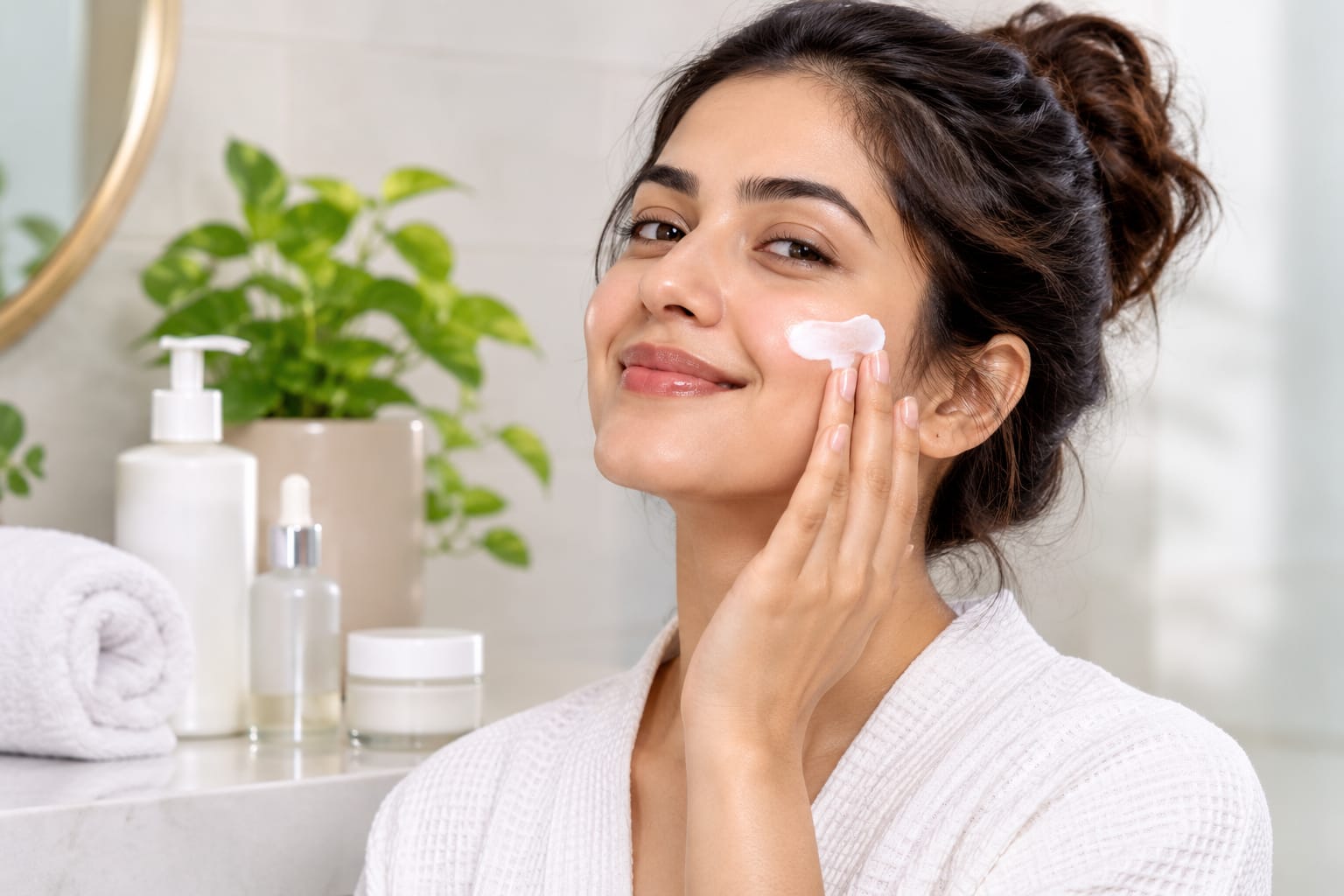
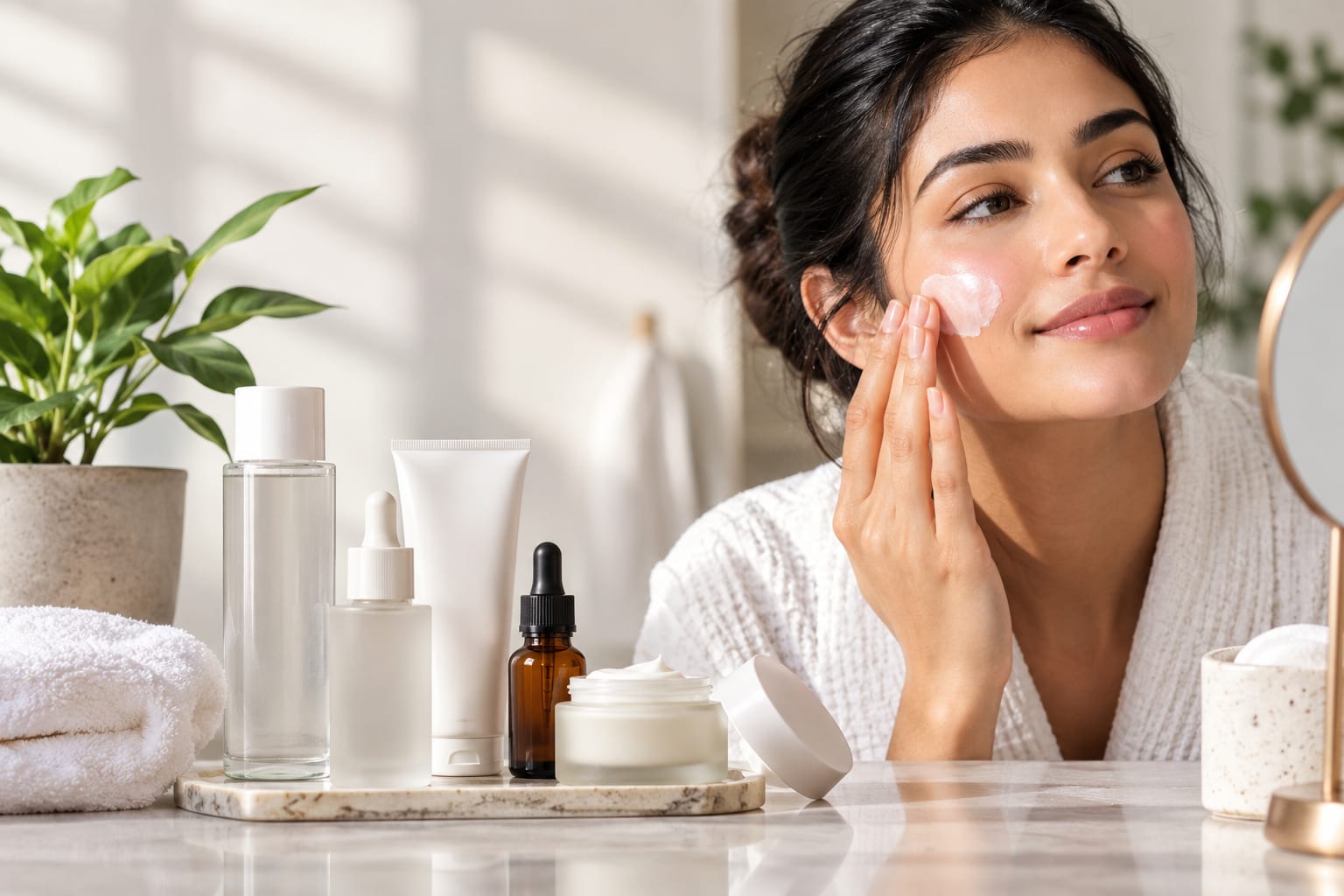
A daily skin care routine consists of four fundamental stages that you can complete once in the morning and once before bedtime.
-
Cleansing: Use a cleanser that does not leave your skin tight after washing. Clean your face at most twice a day, or once if you have dry skin and don't apply makeup. Avoid washing for a squeaky clean feeling because it removes your skin's natural oils.
-
Serums: Apply a serum containing vitamin C, growth factors, or peptides in the morning beneath sunscreen. Retinol or prescription retinoids are more effective at night. Check out our posts on the best face serums for each skin type and the best serums for oily skin.
-
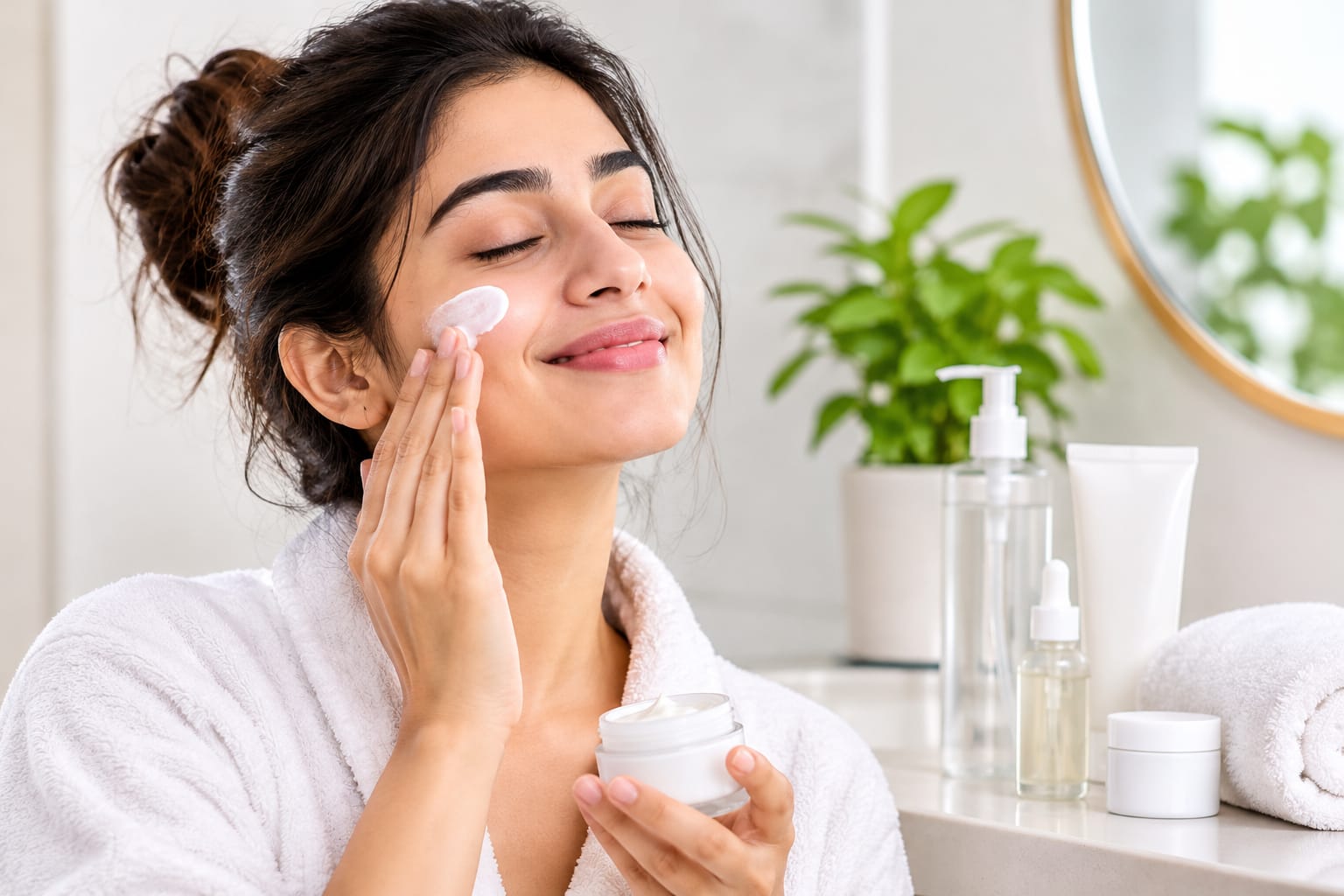
Moisturizer: Even oily skin requires moisturizer; however, choose one that is lightweight, gel-based, non-comedogenic, or does not clog your pores. Dry skin may benefit from using more cream-based moisturizers. Most brands designate their products as gel or cream on the box.
-
Sunscreen: Apply sunscreen with a minimum SPF of 30 15 minutes before going outside, as sunscreen takes time to activate. Darker skin tones require extra sun protection because hyperpigmentation is harder to treat.
Choose products that are suitable for your skin type and sensitivity, and remember to read the labels. Certain products, like retinol or prescription retinoids, should only be used at night.
For every skin type.
Stay hydrated. Change the pillowcases at least once a week. Wash or wrap your hair before going to bed. Wear sunscreen every day and apply 15 minutes before going outside.
Begin with a basic, uncomplicated routine to see how your skin reacts. Once you're at ease, you can add additional products like exfoliants, masks, and spot treatments to help your skin's health.
Don't forget to patch test new products, especially if you think you have sensitive skin. This can help you spot possible allergic reactions.
To patch-test a new product:
Apply a little amount of product to your skin in an inconspicuous location, such as the inside of your wrist or inner arm.
Wait 48 hours and see if there is a reaction.
Check the region 96 hours after application to see whether there is a delayed reaction.
Irritation, redness, tiny pimples, and itching are all possible symptoms of an allergic reaction. If you observe these symptoms, thoroughly clean the area you tested with water and a soft cleanser. Then, return the goods and try something else that better suits your skin type.
DIY Hacks to Avoid (Even if Everyone Does It)
People have reported amazing results when utilizing DIY hacks like lemon juice and toothpaste to treat common skin concerns like acne pimples and dark spots.
However, these techniques may do more long-term harm than good because they can destroy your skin's barrier.
Avoid these diy hacks.
Lemon juice may include citric acid, but it is far too acidic and can create black patches after sun exposure. It may also dry and irritate your skin.
Baking soda: With a pH of 8 to 9, baking soda stresses your skin, dramatically reduces its water content, and causes dry skin.
Garlic in its raw form can cause skin allergies, dermatitis, inflammation, and watery blisters.
Toothpaste: While toothpaste contains compounds that kill bacteria and absorb oil, they can also dry out or irritate the skin.
Sugar: Sugar is too abrasive an exfoliator for your facial skin.
Vitamin E: Topical application of vitamin E can irritate your skin and has not been shown to improve scar appearance.
Some of these substances may be all-natural and inexpensive, but they are not designed for your skin.
Even if you don't experience acute adverse effects, these substances can cause long-term damage. It is preferable to utilize products designed specifically for your face. Before attempting any DIY skin treatments, consult your doctor or dermatologist.
How To Treat Skin Problems
There are ways to treat skin problems without harming your skin. Simply remember the number one rule of skin care: Do not pick!
Picking at pimples, blackheads, scabs, or other skin issues can result in open sores or darkened skin areas known as hyperpigmentation. Open wounds can result in infections, acne, or scarring. The deeper the cut, the more likely it will scar.
Here are some clinically proven approaches of treating problem regions.
Acne
The severity of your acne determines how it is treated. Overall skin care is the most crucial step in treating acne. However, for minor acne, you can utilize nonprescription treatments from your local drugstore such as:
Salicylic acid. benzoyl peroxide Alpha Hydroxy Acids adapalene Tea Tree Oil
Always wear sunscreen after using these products in the morning, as they can cause increased skin irritation.
Acne patches and stickers can also be used to treat acute, irritated, and particular pimples. These are transparent, thick patches used as spot treatments to aid blemish healing and infection prevention.
Acne patches, like blister bandages, absorb fluid and can sometimes do so overnight. These are best used before going to bed because makeup cannot conceal them.
Sebaceous Filaments
Sebaceous filaments are small, pale yellow tubes in your pores. These are frequently confused with blackheads, which are actually an oxidized form of acne.
Sebaceous filaments can make your pores appear larger, so you may feel tempted to eliminate them by pinching your skin or using pore strips. However, if not done correctly, these methods may have more negative consequences on your skin than positive ones.
Over time, you can cause:
irritation Open pores and infection Symptoms can include dryness, redness, and peeling.
Topical treatments containing retinol or retinoids can help maintain pores clear and clean.
Extraction tools are another option for eliminating sebaceous filaments. This is a small metal instrument with a small circle on the end.
The safest technique is to have an esthetician or dermatologist remove them for you, and then, if you're comfortable, attempt this at home:
Begin with a clean face and instrument.
Gently squeeze the circle around the lump to see if any filament comes out. Be cautious, as excessive pressure can result in bruising and scarring.
Moisturize the region afterward.
To avoid infections, disinfect your tool with rubbing alcohol before and after each usage.
You may also notice additional benefits from applying benzoyl peroxide after washing before extraction.
blemishes, scars, and hyperpigmentation
Blemishes, scars, and dark patches might take several weeks to six months, or even more than a year, to heal and vanish. Immediate treatment for scars and blemishes includes applying cosmetics and sunscreen to prevent further sun damage and hyperpigmentation.
Other compounds reported to help erase scars are:
Silicone: Research indicates that topical silicone helps improve scar thickness, color, and texture. Silicone gel can be applied for eight to twenty-four hours a day. Look for items that include silicon dioxide as an ingredient.
Honey: Preliminary research indicates that honey helps heal wounds and scars. If you're looking for a home treatment, honey may be a good option. Keep in mind that medical grade honey is required, not just what is available at the grocery store.
Vitamin C: Look for this ingredient when purchasing creams and moisturizers. Vitamin C degrades rapidly when dissolved in water and exposed to air and light. This is why a quality vitamin C product is typically packaged in a brown glass bottle.
Vitamin C works best when paired with other lightening agents such as soy and licorice.
Niacinamide has been shown in studies to help minimize blemishes and dark spots, particularly those caused by acne. People with lighter skin tones, notably those of East Asian heritage, benefit from topical niacinamide concentrations ranging from 2% to 5%.
Retinoic acid: According to one study, acne scars improved in 91.4% of persons who used a combination of retinoic acid and glycolic acid.
Look for products containing these elements and incorporate them into your routine after washing your face. Remember to always apply sunscreen after application to prevent UV damage and hyperpigmentation.
How To Test Your Skin Type At Home
You can do a physical test to determine your skin type. A home test measures sebum production. Sebum is a waxy, greasy liquid that drains from your pores. The amount of sebum your skin generates can influence whether it is
Options include dry, oily, and normal combinations.
Testing sebum production on a clean face is the most accurate approach to establish your skin type. Take these steps:
Wash and pat your face dry. Wait 30 minutes.
Gently apply oil blotting paper or tissue to your face. Press the paper against various parts of your skin, including your forehead, nose, cheeks, and chin. Hold the sheet up to the light to see how transparent it is.
This article is general information, not a diagnosis or a treatment plan. Skin and hair conditions that look alike can need very different treatment. If something is painful, spreading, changing or not responding, see a qualified dermatologist in person.