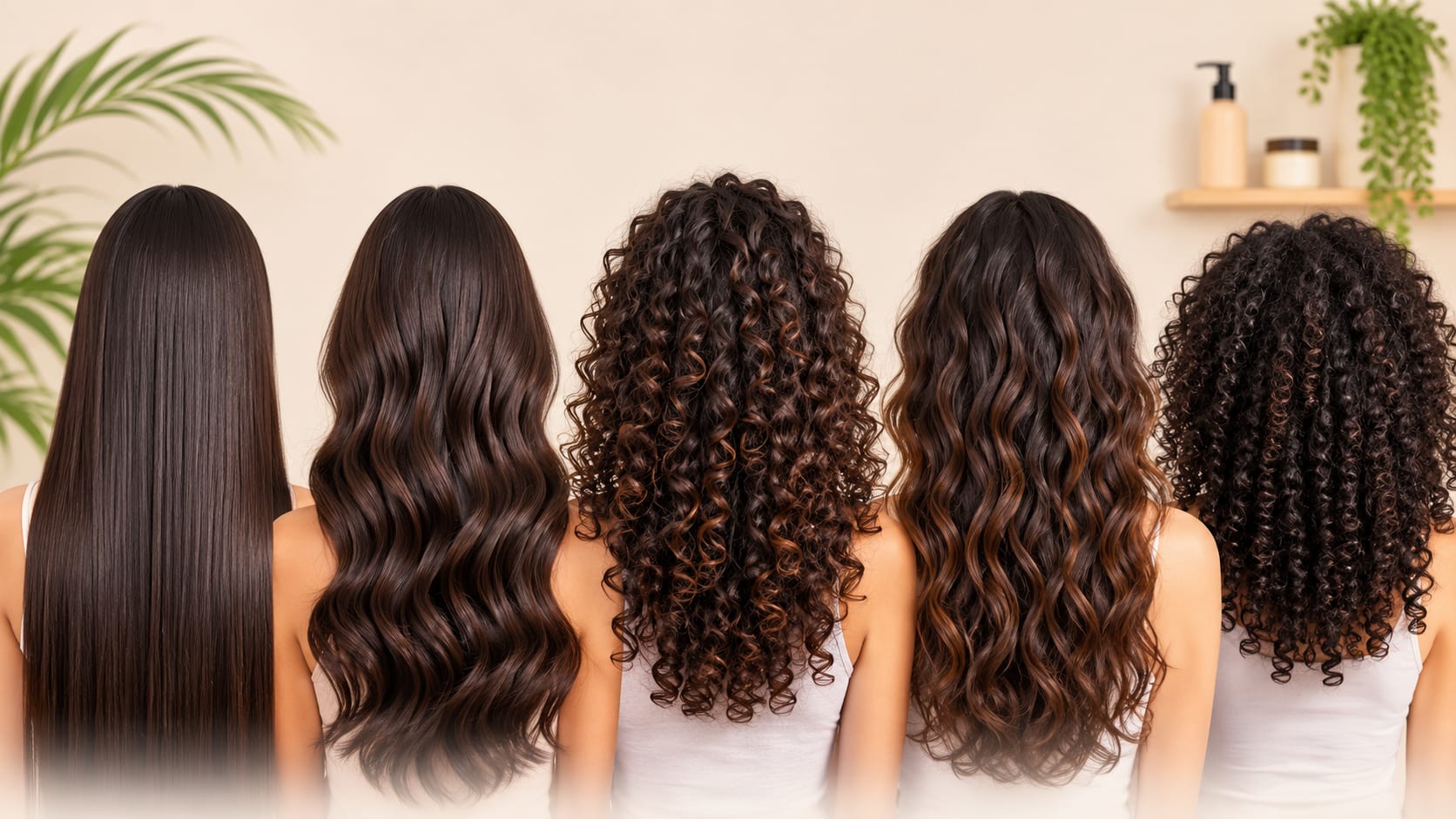
Types of Hair: Styling and Care Guide
Healthy hair starts with the right care routine. From gentle washing and reducing heat damage to choosing suitable hair-care products, Namaste Derma brings you dermatologist-backed tips for healthier hair and common mistakes to avoid.
Medically reviewed by Namaste Derma Editorial on 10 Nov 2026
Hair Care Basics
Everyone aspires to have a stunning hairstyle!
Here are some fundamental hair-care tips:
Wash with care.
Regular washing is essential for keeping your scalp and hair clean and healthy. The frequency with which you should wash your hair is determined by your scalp, hair type, and lifestyle.
For normal hair and scalp, a vigorous shampoo wash once or twice per week is sufficient. If you have a particularly oily scalp and hair, or if you exercise/sweat a lot, wash your hair every day with a light shampoo.
For an extremely dry scalp, shampoo should be used just once a week, if at all.
Remember to condition your hair after shampooing to keep it silky.
Remember, shampooing is for the scalp, while conditioning is for the hair. However, if you use a lot of products on your hair, such as gels, serums, or setting sprays, you should wash it thoroughly with a clarifying shampoo at least once or twice a month.
After-wash care
To prevent frizz, do not vigorously dry your hair with rough cloths. Gently dry with a soft absorbent towel. If you have dry, curly hair, cover it in a super absorbent towel, such as a microfiber towel, and avoid rubbing it.
Detangle your hair and then comb it out while it's still damp. Use a leave-in conditioner on severely dry or curly hair before detangling or combing.
After washing, apply a few drops of coconut oil to the hair (but not the scalp) to enhance shine.
Excessive use of blow dryers and hot irons will damage your hair, resulting in breakages and split ends. Never use a straightening iron on wet hair; it will generate bubbles.
Do not tie up damp hair because it can cause piedra (a fungal infection of the hair shaft). Wait until the hair is completely dry before tying it up.
When heading out
When traveling long distances in open vehicles (buses, trains, cars with open windows, or two-wheelers), it is best to cover your head with a scarf or shawl to save wear and tear.
It is also good to cover your hair when traveling to the beach or being in direct sunlight for long periods of time.
Pulling back hair too tightly can lead to traction alopecia, a condition in which the front hairline gradually recedes.
While asleep
Sleeping on satin pillows or using satin caps will assist to reduce wear and tear while sleeping.
Long hair should be lightly wrapped up on top of your head to prevent harm to the loose ends of hair.
Diet and Lifestyle
To maintain good hair health, eat a well-balanced diet rich in protein (animal and plant proteins, if possible) as well as vitamins and minerals (green leafy vegetables, other vegetables, and fruits).
A healthy, peaceful sleep of 7 to 8 hours per day is crucial for your entire health, including hair health.
The significance of regular exercise should never be underestimated.
Smoking can lead to early hair loss.
Investing time and care in your hair will not only improve its health and appearance, but will also boost your confidence, allowing you to embrace your innate beauty with each strand.
Additional techniques for healthy hair
Maintaining healthy hair requires a combination of adequate care, a well-balanced diet, and the use of appropriate products. Here are some recommendations for healthy hair:
Balanced diet:
Consume a diet high in vitamins and minerals, notably vitamins A, B, C, D, E, zinc, iron, and omega-3 fatty acids, while getting enough protein is vital for maintaining consistent hair development.
Hydration:
Drink enough of water to keep your skin moisturized and healthy.
Washing hair:
Patients with oily scalps should wash their hair every day, whereas those with dry/chemically treated hair should wash it less often.
Shampoo and Conditioner:
Shampoo should be concentrated largely on the scalp, while conditioner should be applied to the lengths of the hair, ideally after each wash.
Protect hair from damage caused by natural factors.
Wear a tight swimming cap while swimming to protect your hair from the harmful effects of chlorine water. Rinse and wash your hair after swimming.
Drying your hair: instead of rubbing, cover it in a towel to absorb water and let it air dry if feasible. Use the dryer's lowest heat setting and restrict the amount of time a hot comb or curling iron touches your hair.
Sun protection for hair: Avoid peak hours (10 a.m.-3 p.m.) and wear a wide-brimmed hat to cover the hair.
Style your hair:
Men should choose haircuts that do not require long-lasting holding gels as styling products.
Women should arrange their hair loosely; tight hairstyles such as ponytails and braiding should be avoided as they pull on the hair.
Covered rubber bands should be chosen.
People with straight hair should comb their hair when it is dry, and those with curly hair should comb it when it is damp. Brushing and combing the hair several times per day is a misconception, and hair should only be combed and styled when going out. Gently remove tangles from hair, and if necessary, use a hydrating conditioner.
To avoid chemical treatments such as hair straightening, bleaching/coloring, and perming, which weaken the hair shaft. If you do, make sure to utilize them and follow correct aftercare instructions. To avoid split ends, trim your hair every 4-8 weeks.
Hair Care Products:
To protect our hair from environmental elements, we recommend products such as leave-in conditioners with zinc oxide and SPF-containing powders.
Sleep Care:
Make sure you get 6 to 8 hours of sleep every day. Silk or satin pillows can help avoid friction and breaking while sleeping.
When to see a dermatologist:
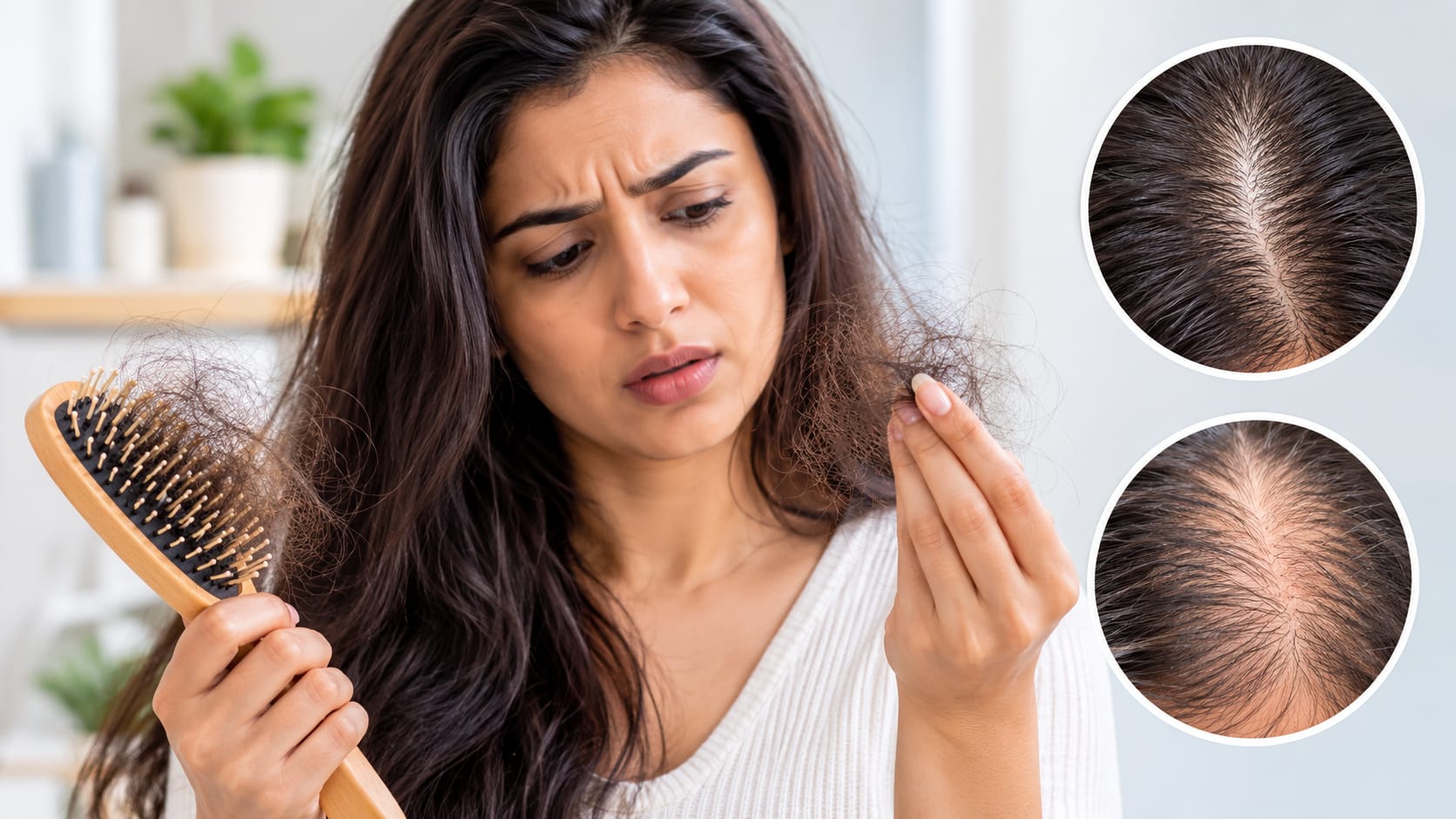
Your hair care may not be the source of your problem. Seeing a dermatologist is especially crucial if you are concerned about thinning hair or hair loss; most causes can be prevented or treated, and the sooner the problem is addressed, the better the results.
Disclaimer: This material is provided for basic patient information and is not intended for self-medication. IADVL bears no legal duty for any detrimental consequences to the patient. Following its use for self-treatment of the disease, photographs are adjusted to reflect the condition and are not to be used for any other purpose.
This article is general information, not a diagnosis or a treatment plan. Skin and hair conditions that look alike can need very different treatment. If something is painful, spreading, changing or not responding, see a qualified dermatologist in person.