Retinoids: starting without wrecking your face
The best-evidenced anti-ageing and anti-acne ingredient also has the worst first month. Most of that first month is avoidable.
Not yet reviewed by a dermatologist. General information only.
Key Takeaways
- Start low and infrequent. Two nights a week of a gentle retinoid beats nightly irritation.
- A pea-sized amount covers the whole face. More is not faster.
- Buffering with moisturiser reduces irritation without cancelling the effect.
- Visible change takes three to six months, so judge it on months, not weeks.
Retinoids have more evidence behind them than almost anything else you can put on skin: acne, fine lines, texture, pigmentation. They also cause the single most common self-inflicted skin disaster — the enthusiastic first fortnight.
The family, strongest to gentlest
Tretinoin (prescription) — retinoic acid itself. No conversion needed, strongest effect, strongest irritation.
Adapalene (over the counter in many markets at 0.1%) — a synthetic retinoid, better tolerated than tretinoin, strong evidence in acne.
Retinaldehyde — one conversion step from retinoic acid. Meaningfully effective, noticeably gentler.
Retinol — two conversion steps. Needs a higher concentration for similar effect.
Retinyl esters (retinyl palmitate and friends) — three steps away. Mild to the point that results are modest.
Potency and irritation move together. There is no retinoid that is strong and gentle.
Retinisation is real, and partly optional
The first weeks bring dryness, flaking, redness and sometimes a worsening of breakouts. Some of this is unavoidable — skin cell turnover is genuinely being accelerated. Most of the severity is dose and frequency.
Start twice a week. Not nightly. Build to every other night over a month or two, and only go nightly if your skin is comfortable there. Plenty of people get excellent results at three nights a week forever.
The sandwich method
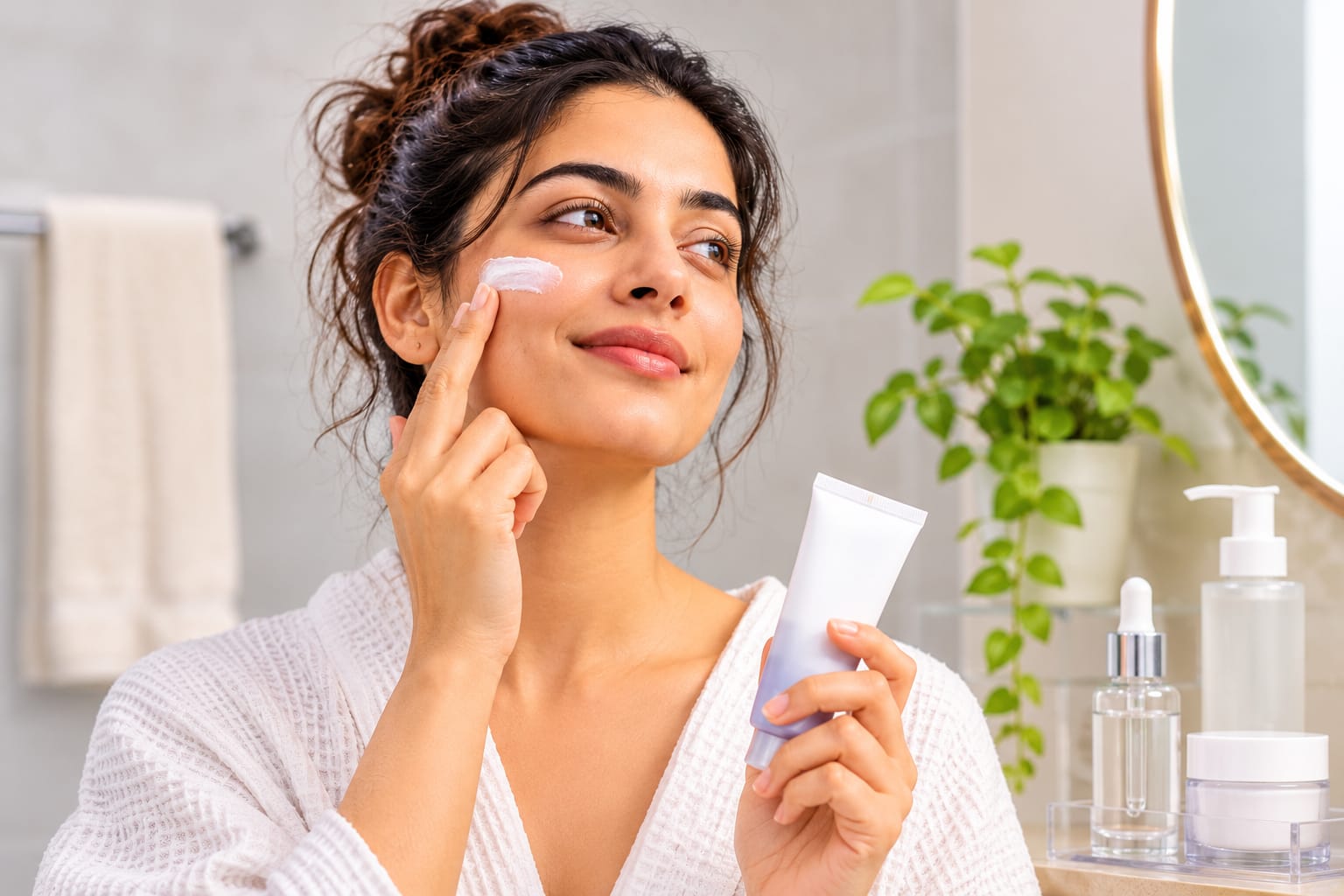
For sensitive skin, apply moisturiser, then the retinoid, then moisturiser again. This slows absorption and blunts the irritation without eliminating the effect. It is the difference between continuing and quitting for many people.
Pea-sized means pea-sized
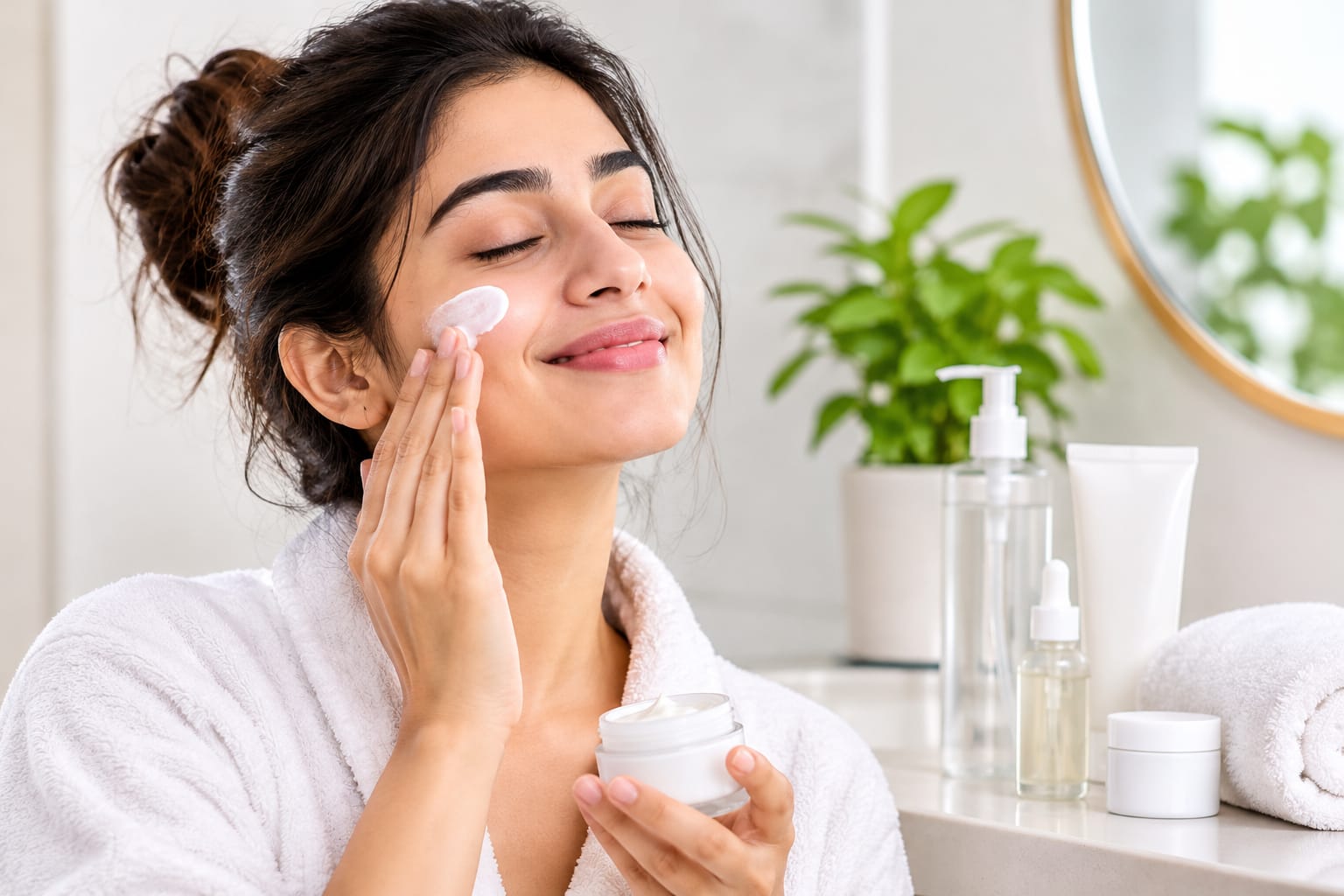
A pea covers the entire face. More product does not accelerate results; it accelerates irritation. Apply to dry skin — damp skin absorbs more and stings more.
What to stop doing while you start
Drop exfoliating acids, scrubs and any "brightening" active for the first month. If you are already irritated, you cannot tell which product is doing it.
Sunscreen becomes non-negotiable. Retinoids thin the stratum corneum early on and increase photosensitivity, and sun exposure undoes the pigmentation benefit you are after.
Timelines, honestly
- Weeks 1–4 — irritation, possibly purging
- Weeks 6–12 — acne begins to settle, texture starts to smooth
- Months 3–6 — pigmentation lightens
- Months 6–12+ — fine lines and collagen changes
Anyone promising results in a fortnight is selling something else.
Purging versus a reaction
Purging is breakouts appearing where you normally break out, faster than usual, settling within six to eight weeks. The retinoid is pushing existing microcomedones to the surface.
A reaction is breakouts or rash in places you do not normally break out, burning, swelling, or persistent raw redness. That is not purging and you should stop.
Do not use if
You are pregnant, trying to conceive, or breastfeeding — oral retinoids are strongly teratogenic and topical use is generally avoided during pregnancy as a precaution. Talk to your doctor about alternatives such as azelaic acid.
See a dermatologist when
Over-the-counter options have not worked after three months, acne is leaving scars or dark marks, or irritation is not settling with a reduced schedule. Prescription tretinoin at the right strength, with guidance, is usually a better path than escalating retinol concentrations on your own.
This article is general information, not a diagnosis or a treatment plan. Skin and hair conditions that look alike can need very different treatment. If something is painful, spreading, changing or not responding, see a qualified dermatologist in person.